This stands in contrast to most other big, rich economies where the labour force has recovered more, and adds to the Bank of England’s inflation worries after surging energy prices and other bottlenecks pushed it to a 40-year high.
The central bank fears a tight labour market will limit the economy’s growth potential and put fresh upward pressure on wages, making it harder to bring inflation back to its target.
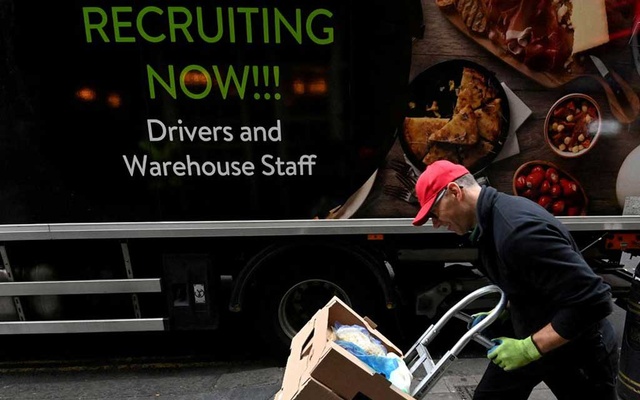
People have dropped out of the workforce not for want of jobs: the number of job vacancies advertised exceeded the number of those looking for work for the first time on record this year and the unemployment rate is the lowest since the 1970s.
Instead, Britain has seen a sharp rise in people reporting long-term sickness – potentially due to the after-effects of high rates of COVID – as well as an exodus of older workers and more full-time study by the young.
The Bank of England is not sure any of these factors will turn around soon. And with the pool of European Union workers no longer readily available after Brexit, labour shortages risk trapping Britain in a stagflation rut.
Before the pandemic, Britain enjoyed steady labour force growth and high rates of participation.
The number of people employed or looking for work in Britain was 34.2 million in the fourth quarter of 2019, but by the first quarter of this year it had fallen to 33.8 million.
Britain stands out here. According to OECD data, across the Group of Seven countries only Italy has seen a bigger percentage drop in the share of those aged 15-64 active in its workforce. Inactivity among the working-age population has increased in Britain by a higher margin than any of its peers.